How to Ride Every State Fair in 60 Days Without Going Broke
This guide shows you how to string together all 50 state fairs in a two‑month summer loop without draining your wallet or your stamina. Most itineraries ignore the overlapping fair dates and the hidden costs of bike maintenance, leaving riders stranded or bankrupt.
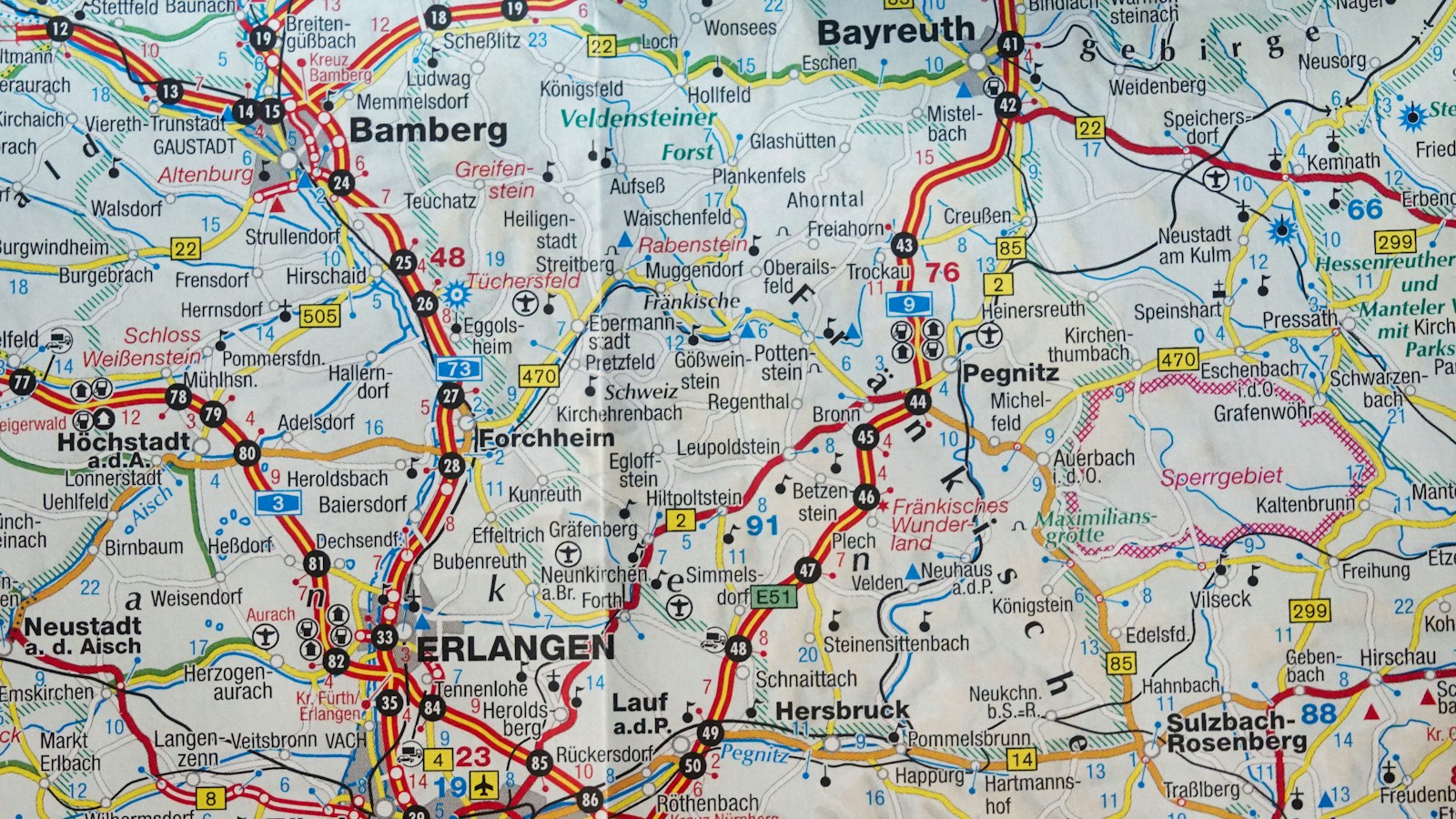
Two months, fifty fairgrounds, a bagger humming under a relentless sun—that’s the recipe for a dream that can quickly turn into a cash‑flow nightmare if you don’t line up dates, fuel stops, and sleep spots before the first county fair opens its gates.
Can you hit all 50 fairs without blowing your budget?
Most riders plot a straight line from the Midwest to the coast and back, assuming the fair calendar will bend to their schedule. In reality the official state‑fair websites reveal clusters of events that overlap by a week or more, forcing you to either skip a few or double‑book lodging in rival towns.
Fuel spikes in the Southwest, tolls on the Great Lakes bridges, and the inevitable need for a spare chain link can each add a few hundred dollars that most itineraries forget to budget, turning a $2,000 adventure into a $3,500 surprise before you even hit the midway rides.
How do you stitch dates and geography into a survivable loop?
Start by downloading the official fair calendars from each state’s agriculture department; they’re usually PDFs you can copy‑paste into a single spreadsheet, then add columns for start‑date, end‑date, and the nearest interstate exit.

Apply a filter that highlights any rows where the end‑date of one fair is later than the start‑date of the next, then shift the offending entry north or south by a day, accepting a brief detour if the mileage delta stays under 80 miles.
Alaska’s Fairbanks Fair lands in early August, while Hawaii’s Maui Fair runs the last weekend of September; the only realistic way to include both without shipping the bike twice is to fly the bagger on a cargo plane to Anchorage, ride the Alaskan loop, then ship it from Seattle to Honolulu, budgeting $300‑$500 for each leg and allowing extra time for customs clearance.
What riding rhythm keeps fatigue at bay on a 60‑day sprint?
Most veterans of the fair‑hopping circuit cap their daily grind at 250–300 miles, then pull into a campground or a friend’s driveway for at least six hours of sleep, because a single night of 400‑mile riding can shave a hundred miles off the next day’s fuel budget.
After a Saturday night fireworks show, schedule a ‘slow day’ where you cruise the scenic byways around the fairgrounds instead of pushing for the next exit; the extra scenery feeds the soul and the lower throttle saves a quarter of a gallon per hour.
How much will the road actually cost you?
Fuel for a 1800‑cc bagger averages 45‑50 mpg, so a 12,000‑mile loop will demand roughly 260‑270 gallons; at current prices that translates to a ball‑park $350‑$500, but expect spikes above $4 per gallon in desert towns, which can add another $100 to the tally.
Budget $15‑$25 per meal if you hit diners and farmer’s markets, but a night in a modest motel or a state‑fair campground will run $45‑$80; stacking a night‑out after a fair can push the total lodging budget to $1,200‑$1,600 for the whole trek.
Expect a chain stretch, a brake pad swap, and at least one tire patch; the parts themselves sit between $30 and $80, while labor at a roadside garage can climb to $120 if you’re stranded far from a DIY shop.
What are the concrete steps to lock down the loop before June?
First, import every fair’s start and end dates into Google Calendar, color‑code by region, and set alerts 48 hours before each event so you never arrive after the rides have closed; this visual cue alone saves hours of frantic rerouting.
Next, lock in at least half of your overnight spots through the state‑fair campground portal or a trusted motel chain, budgeting $60‑$70 per night; the remaining nights can be left open for spontaneous rides, but always carry a list of 3 backup sites within 30 miles of the fair venue.
Finally, schedule a full service at your home garage—oil change, valve clearance check, and a fresh set of spark plugs—costing roughly $120‑$180, then purchase a short‑term liability policy that caps premiums at $100 for the entire season; keep the policy number on a laminated card tucked into your saddlebags.
What should you double‑check before any money changes hands?
Cross‑reference the dates you entered with the official state‑fair press releases a week before you book any lodging, because a venue that shifts a weekend due to rain can nullify a reservation and leave you paying a non‑refundable fee.
Run a quick test transaction on the credit card you intend to use for fuel to confirm the daily limit isn’t capped at $200, which would force you to stop at every service station and ruin the flow you built into the schedule.
Finally, read the fine print of your liability policy to verify that it covers the occasional fair‑ground amusement ride you might jump on, because a claim denied for ‘non‑road activity’ can leave you paying for a broken wrist on top of the bike expenses.
Keep reading
Trim off a week of camping with these hacks
You’ll learn concrete ways to cut campsite fees without sacrificing comfort, using gear tricks, membership hacks, and smart reservation tactics. Most guides gloss over hidden fees and assume expensive parks are the only option.